In a city in Zhejiang Province, a middle school student failed to return home after school. After a frantic search by the family yielded no results, the police were immediately alerted. Upon arrival, authorities faced significant challenges: the jurisdiction was dense with surveillance cameras, resulting in a massive volume of footage from the relevant timeframe.
Manual frame-by-frame review was incredibly time-consuming and labor-intensive. Furthermore, the missing child might have changed clothes or blended into crowds, rendering traditional identification methods ineffective. The search had hit a critical bottleneck.
At this pivotal moment, law enforcement decisively deployed the PolyCam Gait Recognition System. Leveraging its core advantages – long-distance identification, recognition despite camouflage or clothing changes, and trajectory generation – the system fast-tracked the search, precisely resolving the case in three steps:
Step 1: Extract Gait Features to Lock the Unique "Walking Password"
Police first uploaded a short surveillance clip of the girl taken before her disappearance. The PolyCam system responded rapidly, automatically extracting her unique gait features. Unlike facial recognition, which is easily hindered by obstructions or changes in attire, gait is an inherent biological characteristic – akin to everyone's personal "walking password." It enables accurate matching regardless of clothing variations or whether the subject is facing away from the camera. This crucial step laid the foundation for the subsequent comprehensive search.
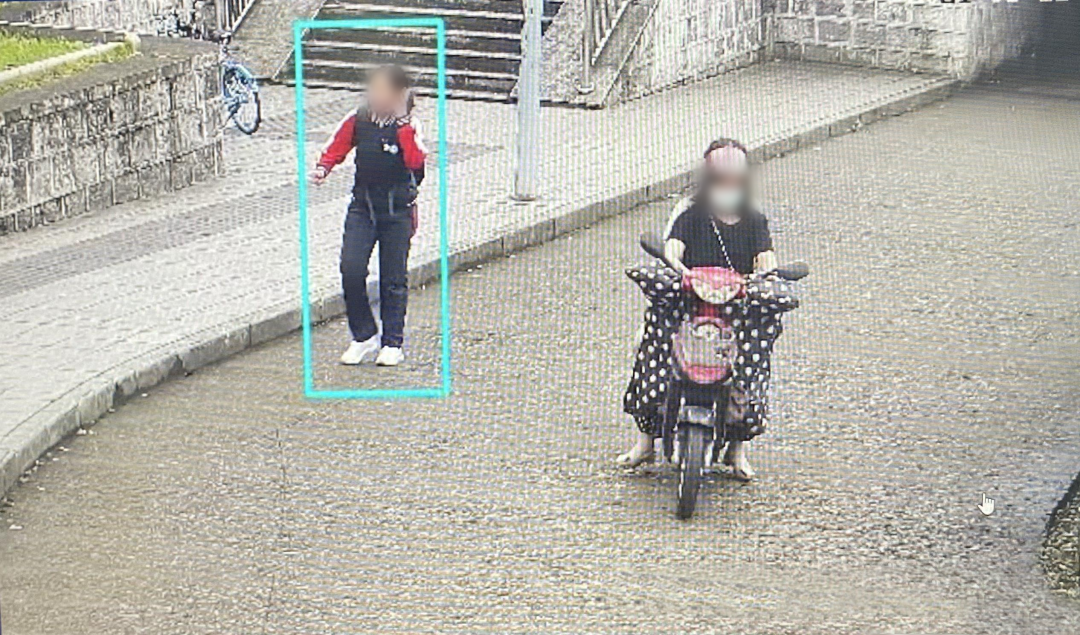
Step 2: Cross-Reference Across the Entire Area to Connect Fragmented Traces
With the features extracted, police entered them into the system to initiate a full-region search across key surveillance points, including areas around schools, commercial intersections, and community entrances. Traditional manual checks would have required deploying massive police resources and risked missing crucial frames due to visual fatigue. In contrast, the PolyCam system, powered by efficient algorithms, rapidly compared vast amounts of footage. The search results page clearly presented matched segments from multiple locations. From a sidewalk near the school to a section of road by a shopping district, the girl's figure at different times and places was precisely captured. Disparate surveillance clues were successfully connected through gait recognition technology.
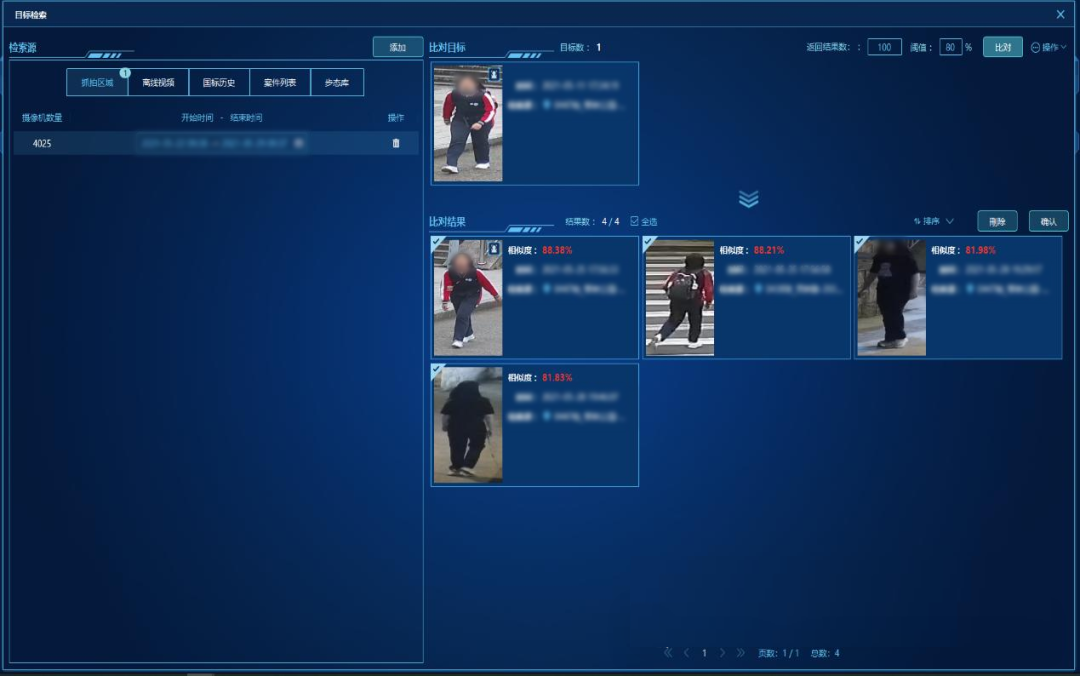
Step 3: Plot the Movement Trajectory for Precise Search Direction
Scattered location points alone couldn't reveal the girl's final destination. The PolyCam system then utilized its trajectory mapping capability. Based on the multi-point clues retrieved, it automatically generated the girl's complete movement path. From the trajectory marked on the map interface, police clearly identified key information: the girl had eventually taken a taxi from a specific intersection to leave the area. Integrating this trajectory timeline, police swiftly coordinated with the taxi company, accessed vehicle records and passenger information, and quickly located the taxi driver who had picked her up. With the driver's cooperation, they successfully found the missing girl. Just hours after the initial report, she was safely reunited with her family in good health.
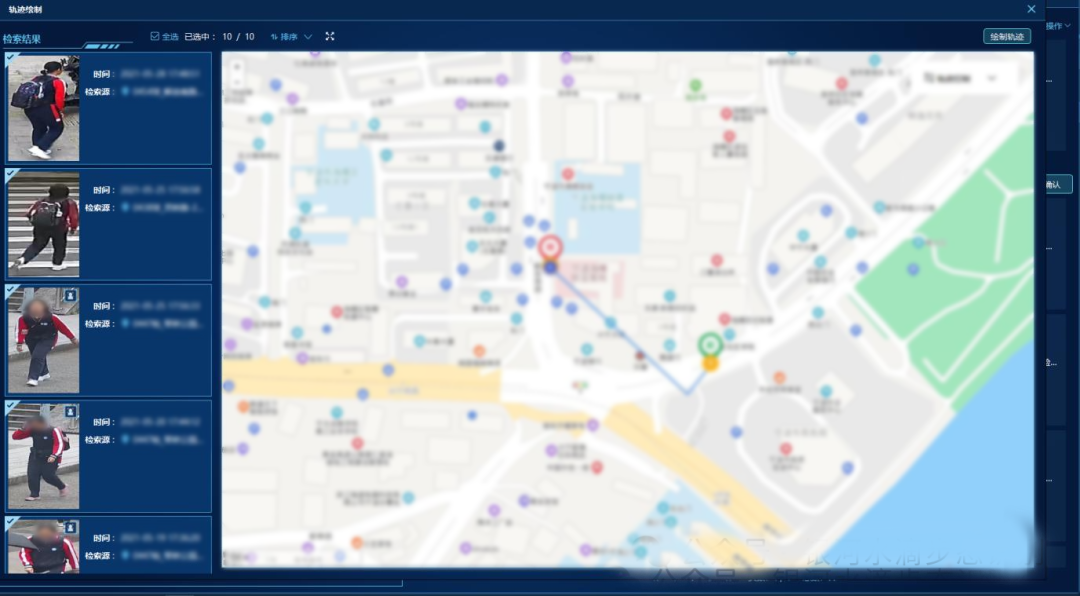
From my perspective, this case perfectly illustrates a paradigm shift we are witnessing in the security and surveillance industry. While facial recognition has been the dominant technology, its limitations in dynamic, real-world scenarios are becoming increasingly apparent. Gait recognition, as demonstrated here, is not just an alternative but a critical complementary, and in many cases, superior solution.
Its true power lies in its passive identification capability. You don't need a subject to look into a camera or be within a specific proximity; if you can see them walk, you can identify them. This fundamentally changes the game from reactive verification (checking a known face against a database) to proactive forensic analysis and tracking. For public safety, this means moving beyond simply identifying someone at a checkpoint to actually understanding and predicting their path of movement, offering a layer of security that is both more robust and less intrusive.